
Navigation
Install the app
How to install the app on iOS
Follow along with the video below to see how to install our site as a web app on your home screen.
Note: This feature may not be available in some browsers.
More options

You are using an out of date browser. It may not display this or other websites correctly.
You should upgrade or use an alternative browser.
You should upgrade or use an alternative browser.
Weird Thumb
- Thread starter Lorenzo
- Start date


- Joined
- Jan 10, 2011
- Messages
- 149
- Reaction score
- 8
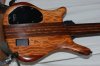
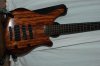
I guess they are just some unusual grain not different pieces of wood and they look cool


- Joined
- Dec 27, 2013
- Messages
- 9
- Reaction score
- 0
i've never seem a bubinga pattern like that, quite stunning. Sort of like its got a quilted maple-y effect to it

Morgoth
Sir Paul of Thumbalot
- Joined
- Mar 19, 2009
- Messages
- 758
- Reaction score
- 13
I'm sure I have seen this very kind of grain on, at least, another Warwick bass. I wonder, this could be due to the way the wood was sawed. Like on the LTD 2013 (fretboard), or on Roscoe basses... Don't know... but it sure looks amazing!

- Joined
- Dec 22, 2007
- Messages
- 1,528
- Reaction score
- 49
ooh... this is really weird... why just don't give it to me

- Joined
- Sep 27, 2008
- Messages
- 159
- Reaction score
- 88
- Thread starter
- #14
Hi Herb, long time no bass. Hope you are well! Did you not own an 89 Thumb 4 NT? I remember recognising it in your photos years ago, cos it loked familiar and I believe it once belonged to a dear friend of mine (who sold it in Zurich around 1997 or 98). Did you know that he reversed over it (in a soft gig bag) in a huge jeep? It was fine! I guess that is part of why I like Thumbs.


Mr Praline
Forum Silly Person
- Joined
- Jan 28, 2008
- Messages
- 2,868
- Reaction score
- 90
From what I understand, bubinga bark is very light in colour, which explained the pattern on the LTD 2002 Corvette (my old bass). However (not so sure about this), I seem to remember seeing that there could also be darker wood (possibly because of resin?) outside or mixed in with the lighter bark, hence the darker areas.
